India's New Tourism Reform Roadmap: What NITI Aayog's Latest Report Means for the Travel Industry
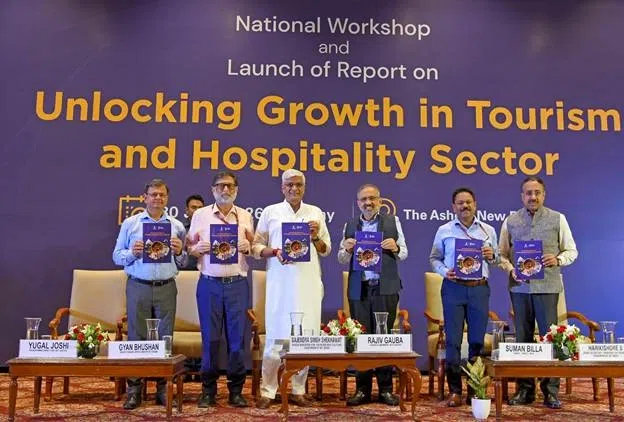
India's tourism and hospitality sector is poised for a significant
transformation. In a major step to strengthen the country's tourism ecosystem, NITI
Aayog, in collaboration with the Ministry of Tourism, has released a
comprehensive report titled "Unlocking Growth in Tourism and
Hospitality Sector." The report outlines strategic reforms to improve
the ease of doing business, attract investment, and enhance India's
competitiveness as a global tourism destination.
For travel agents, destination management companies (DMCs), tour operators, hoteliers, and investors, these recommendations signal new opportunities to grow alongside one of the world's fastest-expanding tourism markets.
A Vision for a More Competitive Tourism Industry
Tourism is one of India's key economic drivers, contributing to
employment, regional development, and foreign exchange earnings. As part of the
Viksit Bharat 2047 vision, the government is focusing on creating a
business-friendly environment that encourages investment while delivering
better experiences for domestic and international visitors.
The report recognizes that tourism businesses often face multiple
regulatory approvals, varying state-level policies, and lengthy licensing
procedures. Addressing these challenges is central to unlocking the sector's
full potential.
Simplifying Business Operations
One of the report's primary recommendations is to improve the ease
of doing business in the tourism sector.
For many tourism businesses, obtaining licenses and approvals can
be time-consuming. The proposed reforms aim to simplify these processes by
reducing regulatory complexity, improving coordination among government
agencies, and introducing more streamlined approval mechanisms.
For travel businesses, this could mean:
- Faster
business approvals
- Reduced
administrative burden
- Improved
operational efficiency
- Greater
confidence for new entrepreneurs entering the tourism sector
A simpler regulatory framework can encourage innovation and enable
businesses to focus more on delivering quality travel experiences.
Creating a More Attractive Investment Environment
Investment is essential for expanding tourism infrastructure and
improving visitor experiences.
The report recommends measures to encourage both domestic and
international investment through:
- Faster
project approvals
- Clearer
regulatory processes
- Improved
policy consistency
- Enhanced
public-private collaboration
For investors, these reforms could create greater confidence in
developing hotels, resorts, convention centers, theme parks, and other
tourism-related infrastructure.
For destination management companies and tour operators, better
infrastructure translates into more products, improved services, and stronger
destination appeal.
Expanding Accommodation Across India
Accommodation remains one of the most important components of a
successful tourism ecosystem.
The report highlights the need to increase accommodation capacity
by supporting:
- Hotels
- Resorts
- Homestays
- Boutique
properties
- Community-based
tourism initiatives
Encouraging diverse accommodation options not only benefits travelers
but also creates income opportunities for local communities and small tourism
entrepreneurs.
This approach aligns with the growing demand for authentic,
experience-led travel across both domestic and international markets.
Improving Access for International Visitors
Ease of travel plays a critical role in attracting inbound tourism.
The report recommends further improvements in visa facilitation and
visitor-friendly processes to make India more accessible to international travelers.
Simplified travel procedures can:
- Encourage
repeat visits
- Increase
international arrivals
- Improve
visitor satisfaction
- Strengthen
India's competitiveness against other global destinations
For inbound tour operators and DMCs, smoother entry processes can
translate into increased booking opportunities and broader market reach.
Promoting Sustainable and Inclusive Tourism
The roadmap also emphasizes responsible tourism development.
Future tourism growth should balance economic benefits with
environmental conservation and community participation.
Key priorities include:
- Protecting
natural and cultural heritage
- Supporting
local livelihoods
- Encouraging
responsible tourism practices
- Promoting
community-led tourism initiatives
As travellers increasingly seek meaningful and sustainable
experiences, businesses that integrate responsible tourism into their offerings
are likely to gain a competitive advantage.
Opportunities for the Travel Trade
The proposed reforms have positive implications across the tourism
value chain.
Travel Agents
A stronger tourism ecosystem means access to a wider range of products,
destinations, and accommodation options, making it easier to design attractive
itineraries.
Destination Management Companies
Improved infrastructure and simplified regulations can support operational
efficiency while expanding opportunities to develop innovative tourism
experiences.
Hotels and Hospitality Providers
Investment-friendly policies and streamlined approvals could accelerate the
development of new properties while improving the overall investment climate.
Tour Operators
Better connectivity, enhanced tourism infrastructure, and simplified visitor
processes can create more compelling travel packages for both domestic and
international markets.
Looking Ahead
India's tourism sector has already demonstrated remarkable
resilience and growth. With strategic reforms focused on investment,
infrastructure, sustainability, and ease of doing business, the latest roadmap
from NITI Aayog and the Ministry of Tourism represents an important step toward
building a more competitive and future-ready industry.
For travel businesses, the message is clear: the tourism landscape
is evolving. Companies that stay informed, embrace innovation, and align with
emerging policy priorities will be well-positioned to capitalize on the next
phase of India's tourism growth.
As India moves towards its long-term vision of becoming a leading
global tourism destination, collaboration between government, industry
stakeholders, and local communities will be key to unlocking sustainable growth
and delivering world-class travel experiences.
_____________
Source: This article is based on the official press release issued by the
Ministry of Tourism and NITI Aayog regarding the launch of the report "Unlocking
Growth in Tourism and Hospitality Sector." Readers can access the
complete report and official announcement on the Ministry's website.
https://www.pib.gov.in/PressReleasePage.aspx?PRID=2279601®=48&lang=2